
Partners in the News: Vitus Closes Four and a Half Year Journey at Stuart Gardens
This is the first installment in our new Partners in the News series, spotlighting the transactions and preservation work of the developers, owners, and operators we've had the privilege of working alongside.
A WWII-Era Property Gets a $184 Million Second Act
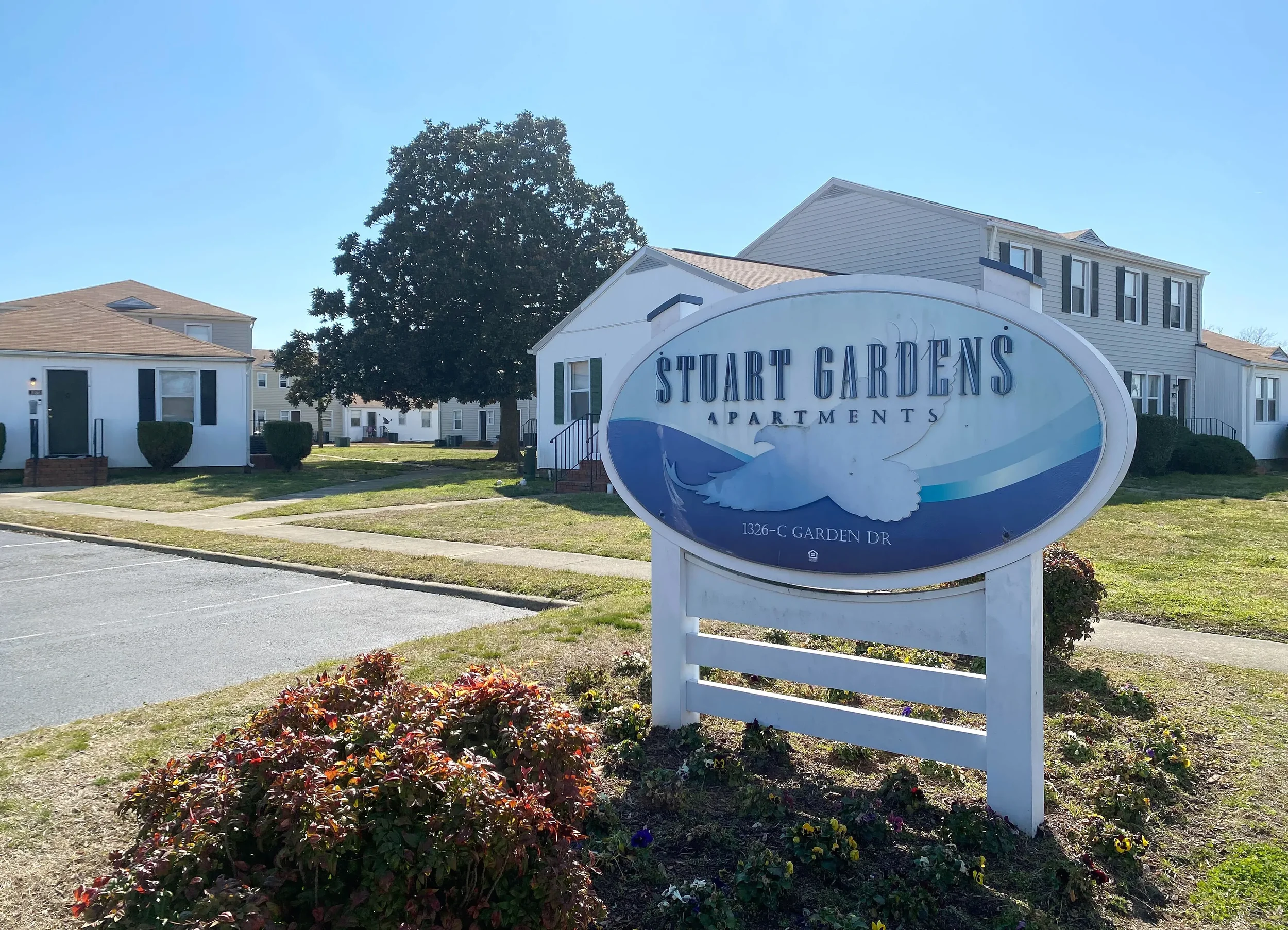
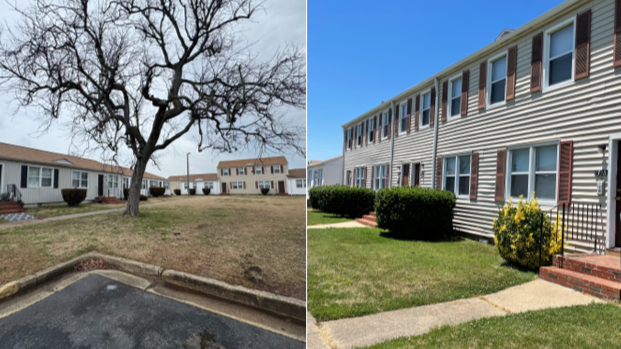
Stuart Gardens is a nearly 500-unit community built in 1941 as defense housing for military personnel and civilian wartime workers during World War II. Located on 40 acres in Newport News, the property comprises 109 one- and two-story buildings that roughly 2,000 people call home.
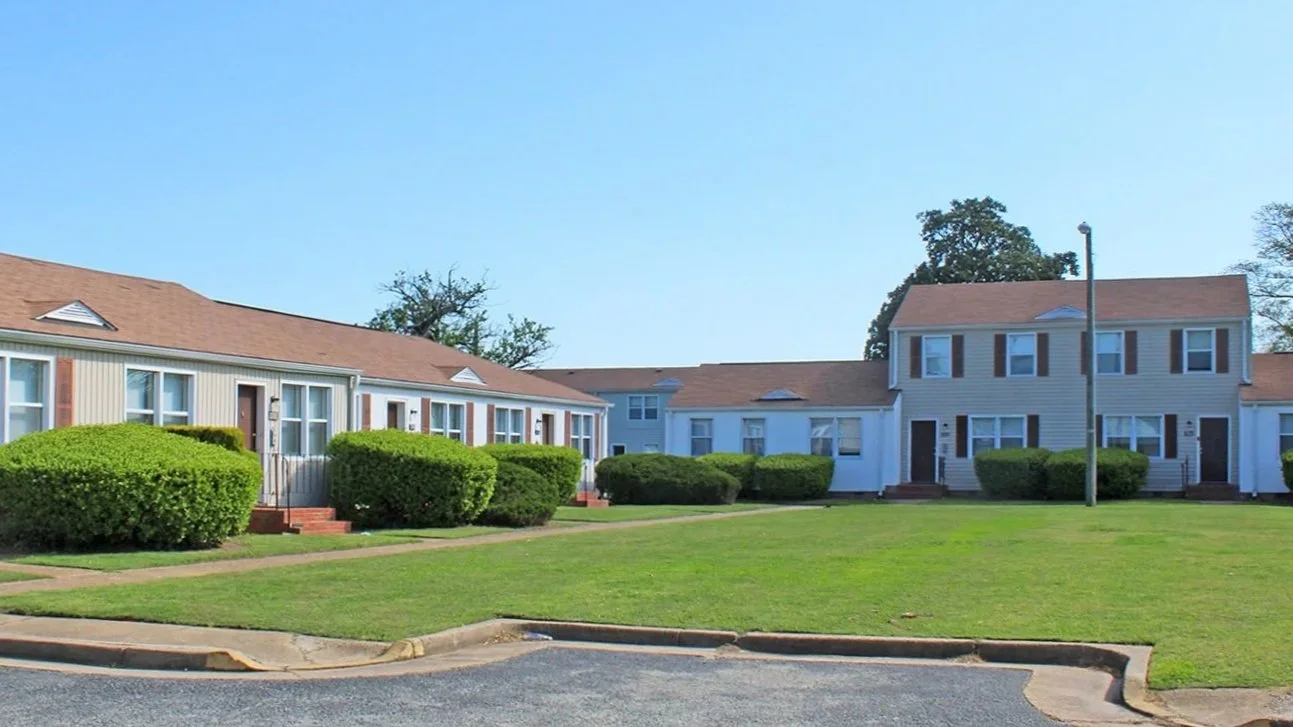
This month, Vitus Group broke ground on a $183.5 million rehabilitation that has been in the works for nearly five years. FTK Construction Services is serving as general contractor, with True Craft Architecture leading the design. Completion is expected in November 2027.
The scope of work is comprehensive. Interior upgrades include new plumbing fixtures, cabinetry, countertops, appliances, flooring, lighting, tub and shower surrounds, and energy-efficient water heaters. Building exteriors will get new roofing, insulation, weather barriers, railings, windows, doors, and paint.
Amenity improvements include community room enhancements, new postal facility equipment, and playground upgrades. Sitework includes landscaping, sidewalk, and paving improvements.
The community serves residents earning up to 40%, 50%, and 60% of area median income, with Section 8 vouchers also available.
The financing structure behind Stuart Gardens tells the real story of what preservation looks like in the current market.
Vitus stacked 4% LIHTC equity, historic tax credits (Stuart Gardens is listed on the Virginia Landmarks Register), $20 million from HUD's Green and Resilient Retrofit Program (GRRP), and HUD-insured financing arranged through Merchants Bank. Getting there took 1,700 days.

"The 10-year Treasury was 1.4% when we bought it.
4.68% when we finally converted."
— Jerry Low, VP of Acquisitions, Vitus
Getting Stuart Gardens onto the National Register unlocked historic tax credits, adding a critical equity source that wasn't in the original capital stack. The property's WWII-era construction and intact site plan made it a strong candidate for listing, but the process itself takes time and expertise most affordable housing sponsors don't have.
The $20 million GRRP award filled a substantial portion of the financing gap created by rising interest rates and construction costs. GRRP has since undergone significant policy changes (see our blog post about GRRP changes here) and climate-focused requirements have been replaced with a risk mitigation framework. Vitus was fortunate to lock in GRRP funding on the original terms.
1,700 days between acquisition and tax credit conversion is not typical, and it represents real carrying costs. Sponsors without deep balance sheets or committed long-term investors would have been forced to sell or restructure.
That single data point captures what preservation sponsors have been navigating over the past four years. A property acquired in a near-zero interest rate environment had to close its tax credit conversion in a very different capital markets landscape; where debt costs had more than tripled and every assumption had to be reworked.
Says Jerry: "1,700 days takes a lot of patience. And creativity. And chutzpah."
Why This Deal Matters
Stuart Gardens represents the kind of preservation transaction that gets harder to finance every year. The property is nearly 85 years old. It houses 2,000 people at rents most working families in Newport News couldn't otherwise afford.
The buildings themselves are architecturally significant and worth preserving. Letting the property deteriorate or converting it to market rate would have removed a substantial share of the affordable housing supply in the Hampton Roads region.
The rehabilitation will also add residential services that weren't previously available at the property, including after-school programs and a summer food program for residents' children.
Our Role at Doyle Real Estate Advisors
We had been engaged on Stuart Gardens since Vitus began underwriting the acquisition in 2021.
Our work supported the Rent Comparability Study analysis and market documentation required for HUD financing, LIHTC application requirements, and the various policy shifts and refinancing scenarios that emerged over the 1,700-day timeline. Our particular focus was establishing new post-rehab rents anticipating the complete renovation of the property.
Working with Vitus on Stuart Gardens has been a reminder that preservation deals rarely close on the timeline anyone originally anticipates.
What matters is having partners who can absorb the volatility, work through the complexity, and keep the property and residents as the priority.
Vitus continues to be one of the most active preservation buyers in the affordable housing space, with a portfolio of more than 130 properties across 30 states. Earlier this year, Vitus acquired a seven-asset, 1,027-unit affordable housing portfolio from the Indianapolis Housing Agency as that agency worked through organizational recovery.
We congratulate the Vitus team on getting Stuart Gardens across the finish line, and we look forward to watching the property come back to life over the next 18 months.
Doyle Real Estate Advisors provides Rent Comparability Studies, LIHTC valuation, market demand studies, and transaction advisory services to owners, developers, lenders, and housing finance agencies working in project-based Section 8 and LIHTC affordable housing. Learn more at www.doyleadvisors.com.