
Partners in the News: Thomas Safran recapitalizes Santa Monica Towers
This month in Partners in the News: Thomas Safran & Associates' acquisition and rehabilitation of Santa Monica Christian Towers. We advised the firm’s development team on post-renovation rents to support underwriting.
A 60-Year-Old Community Gets a Deep Recapitalization
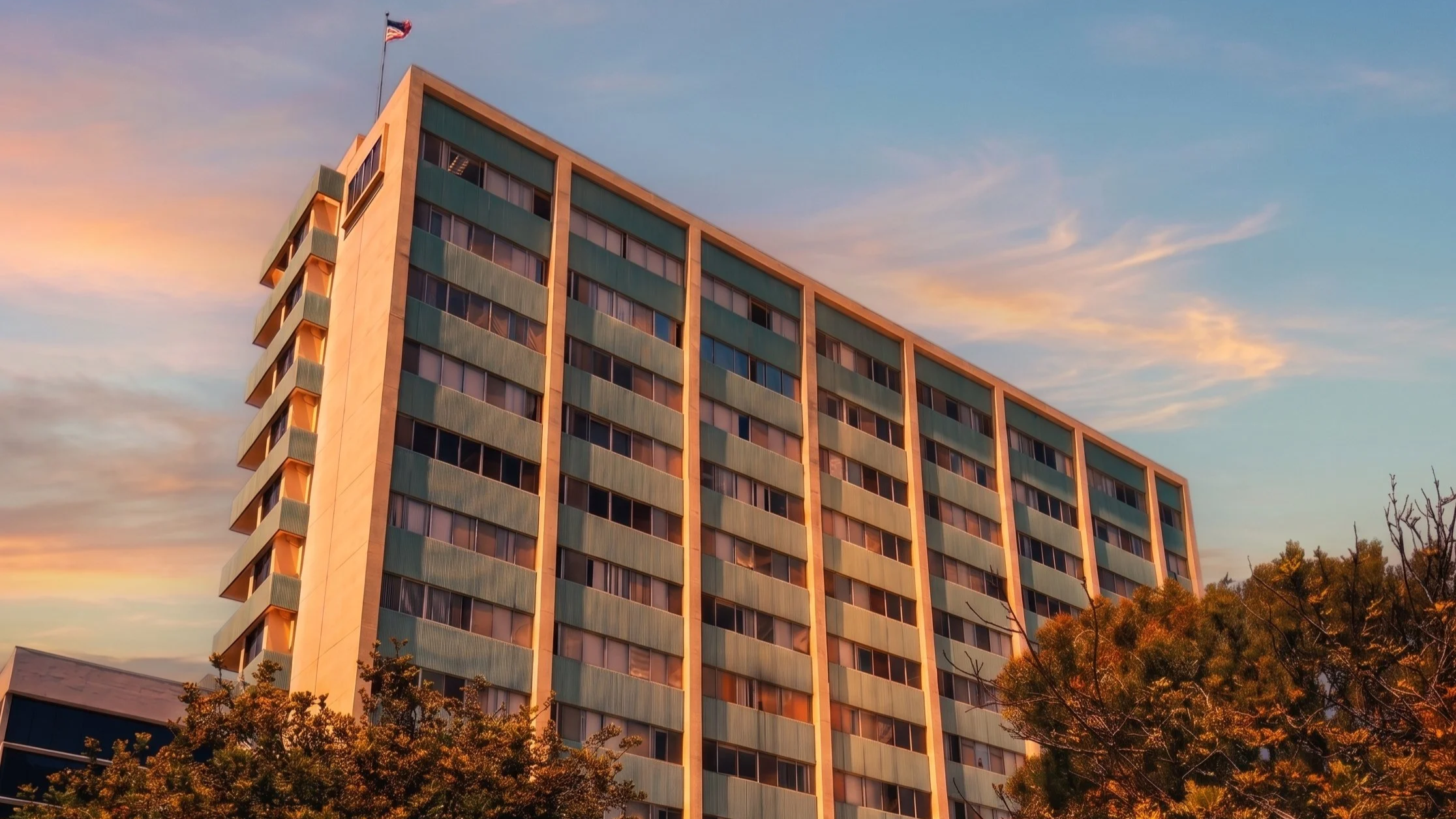
In March of 2026, Thomas Safran & Associates closed on the acquisition of Santa Monica Christian Towers through a joint venture with the existing nonprofit ownership.
Built in 1964 under HUD's Section 202 direct loan program, the property has served seniors of six decades with an aging capital stack that included the original Section 202 loan, a Section 201 Earthquake Flexible Subsidy Program loan, and Section 8 Housing Assistance Payments contracts.
The unit mix is 107 studios, 44 one-bedrooms, and 12 two-bedrooms, with rental assistance is provided through a combination of Project-based Vouchers and a Project-based Contract .
The property was designated at-risk; meaning without recapitalization, the long-standing affordability restrictions were at risk of expiring. The transaction extends affordability restrictions for an additional 55 years. Construction began in early 2026, and is expected to complete in October 2027.
The $159 Million Wells Fargo Financing Package
The transaction is notable for the breadth of the Wells Fargo participation. Four separate Wells Fargo divisions worked together to close the $159 million financing package.
Wells Fargo Community Lending & Investment (CLI) — $65 million construction loan and $72 million LIHTC equity investment
Wells Fargo Multifamily Capital (MFC) — Origination of a $22 million permanent loan from Freddie Mac via the Tax-Exempt Loan (TEL) program
Wells Fargo Municipal Products Group (MPG) — Bond underwriter on the issuance of $28 million in cash-collateralized bonds, publicly issued through the California Housing Finance Agency (CalHFA)
The Wells Fargo financing sits alongside additional sources including seller carryback financing, deferred developer fee, deferred costs, existing reserves, and net operating income captured during the transition period. National Equity Fund was the original investor; the final closing was through Wells Fargo CLI as tax credit investor.
The per-unit total development cost of roughly $1.1 million reflects both the land value in Santa Monica and the depth of rehabilitation required for a 62-year-old building.
The Preservation Context
Section 202 properties like Santa Monica Christian Towers represent one of the most important pieces of the nation's senior affordable housing supply.
Built between 1959 and 1990 under HUD's direct loan program for nonprofit sponsors, many of these properties are now approaching or past 50 years of age, with original financing structures that no longer support the capital needs of the buildings.
When these properties reach the end of their affordability restrictions, three outcomes are possible:
The nonprofit sponsor recapitalizes (often difficult without partners bringing LIHTC equity and refinancing capacity)
The property is sold to a market-rate converter (permanently removing affordability),
The property continues operating in physical decline until it becomes unlivable.
Santa Monica Christian Towers took path one. The 55-year affordability extension effectively resets the preservation clock; this community will remain affordable senior housing through at least 2081.
Ongoing regularly scheduled events include monthly resident parties, coffee socials, bingo, fitness classes, movie nights and inclusive holiday celebrations.
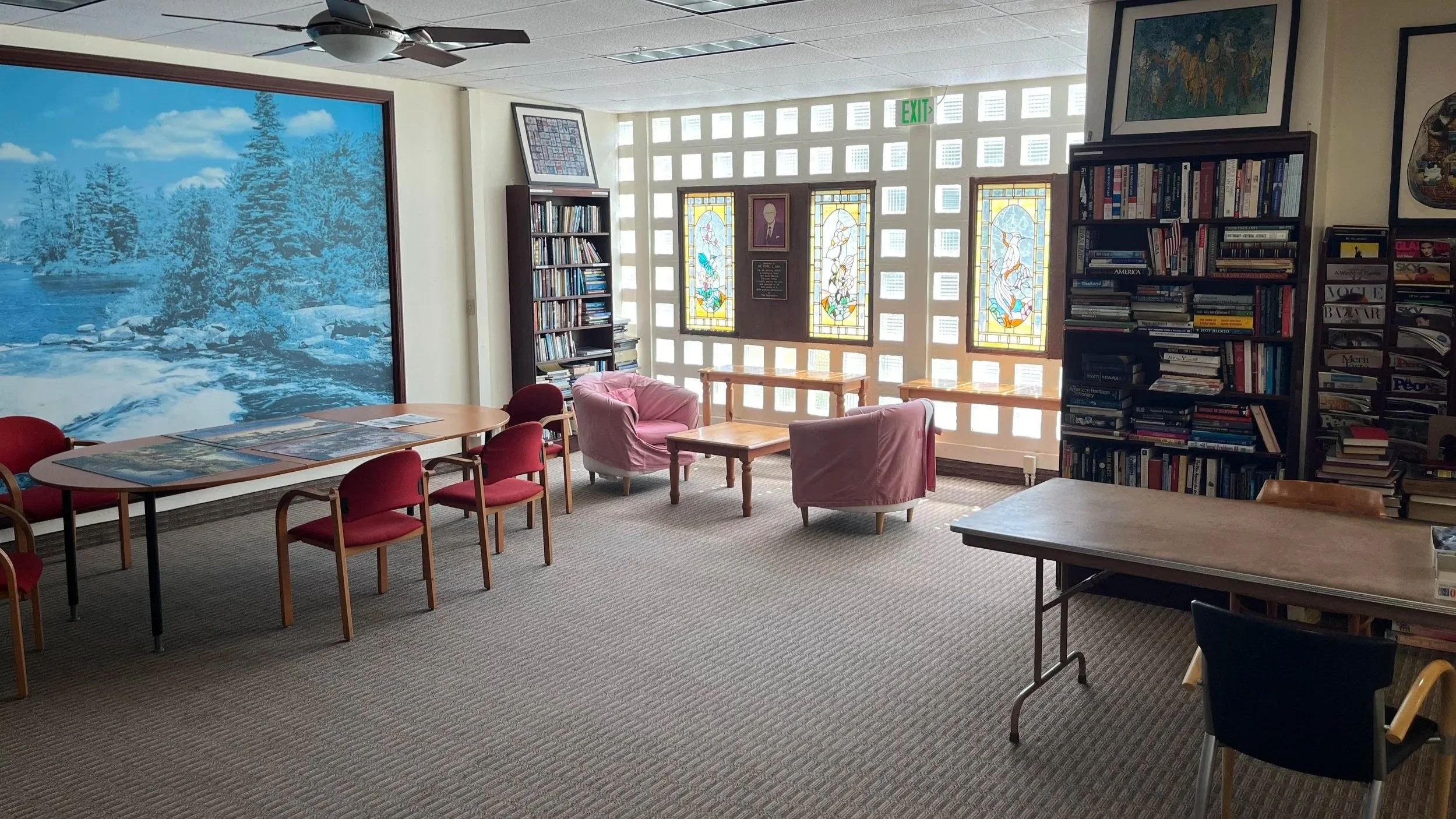
After completion of a renovation, upgrades will include a renovated community room, fitness room, computer lab, courtyard, and an expanded laundry facility.
There will be seismic structural upgrades (a hot button issue in Southern California), replacement of the original cast iron plumbing system, and installation of new windows throughout the property.
Select units will have unit upgrades including new plank flooring and renovated kitchens with new cabinetry and appliances.
Our Role at Doyle Advisors
Doyle Real Estate Advisors became well acquainted with the property over a multi-year period.
We worked with the Thomas Safran team not only on post-rehab rents, but also a market study and appraisal. We previously worked with the management company, Falkenberg Gilliam & Associates, on a five-year HAP Rent Study for the property.
Over a two-year span, our team worked with these partners on updates and fine-tuning to ensure utmost financial feasibilty ahead of execution. Rent grid analysis during the acquisition underwriting phase helps sponsors understand both the achievable market rents and the appropriate positioning of the Section 8 contract rents relative to the underlying market.
TSA has developed more than 6,300 units of affordable and mixed-use rental housing across Southern California since Tom Safran launched the firm in 1974. The company's early work included one of the nation's first Section 8 project-based developments, and preservation of aging affordable housing has been a consistent thread through five decades of activity.
We congratulate the team on closing what represents one of the more complex Section 202 preservation transactions of 2026, and we appreciate the opportunity to have supported the underwriting work.
Thomas Safran and Associates has been a client on a number of complex and transformative projects across Southern California, and we wish them the best on the future of Santa Monica Christian Towers.
Doyle Real Estate Advisors provides Rent Comparability Studies, LIHTC valuation, market demand studies, and transaction advisory services to owners, developers, lenders, and housing finance agencies working in project-based Section 8 and LIHTC affordable housing.
Learn more at www.doyleadvisors.com.